











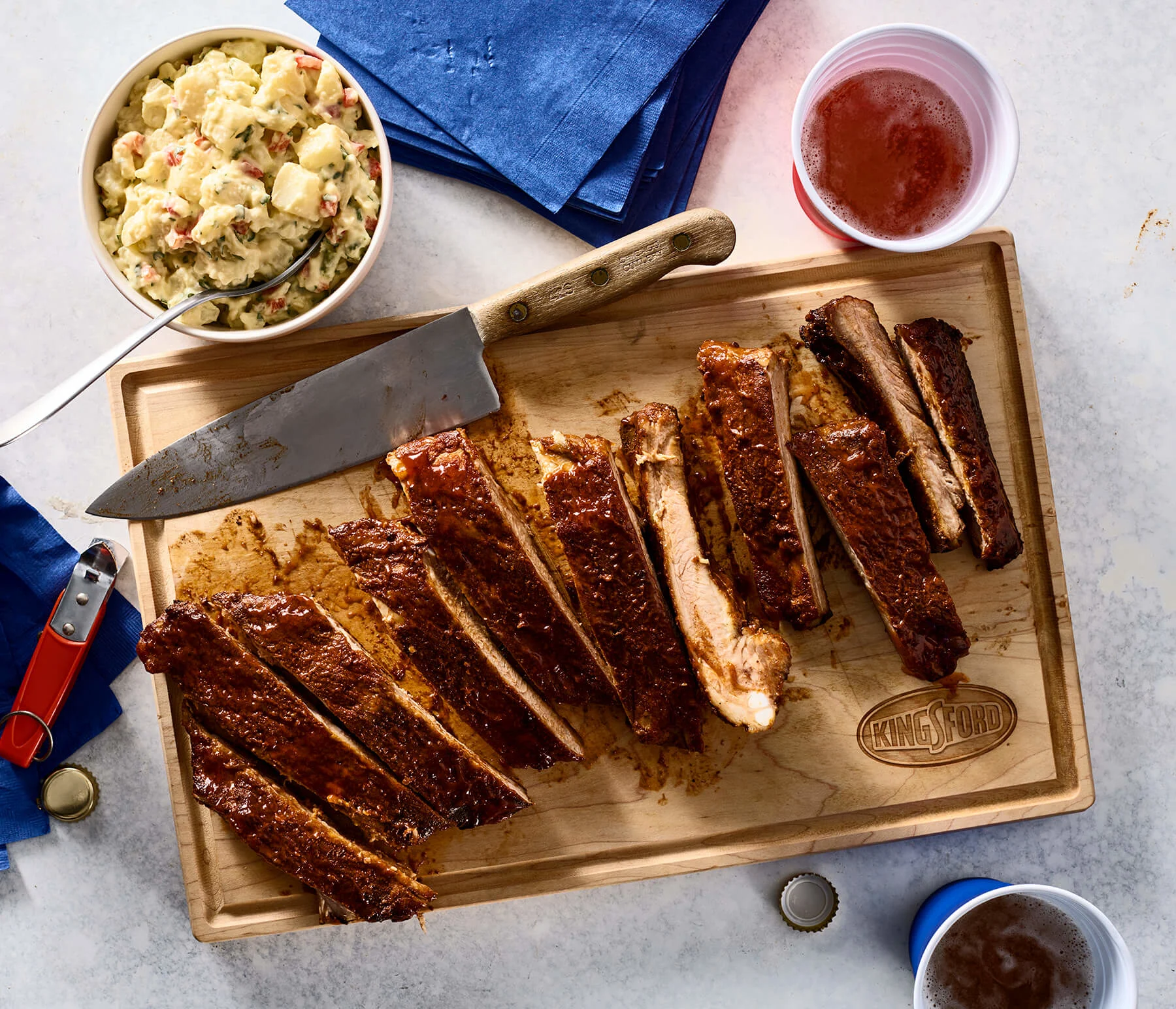
Smoked Beef Ribs
Whether you like a little chew or prefer fall-off-the-bone doneness, here’s how to smoke beef ribs to perfection.





Cooking for 4 people
Ingredients
- 4
beef plate short ribs
- 2 tbsp.
kosher salt
- 1/2 cup
yellow mustard
- 2 tbsp.
Worcestershire sauce
- 1/2 cup
beef seasoning blend or Magic Dust
-
optional: beer, vinegar or water for spritzing
Mike Mills' Magic Dust
- 1/2 cup
paprika
- 1/4 cup
kosher salt, finely ground
- 1/4 cup
sugar
- 1/4 cup
powdered mustard
- 1/4 cup
chili powder
- 1/4 cup
ground cumin
- 2 tbsp.
ground black pepper
- 1/4 cup
granulated garlic
- 2 tbsp.
cayenne pepper
1Food Prep
Begin a dry brine by sprinkling the ribs evenly on all sides with kosher salt. Then place the ribs on a wire rack with a baking sheet underneath. Refrigerate the ribs, uncovered, for 12 to 24 hours. This gives the salt time to work its way into the meat.
When you’re ready to cook the ribs, remove them from the refrigerator and wash away any salt from the dry-brine, and pat them dry.
Next, combine the mustard and Worcestershire sauce, and slather the ribs on all sides with the mixture.
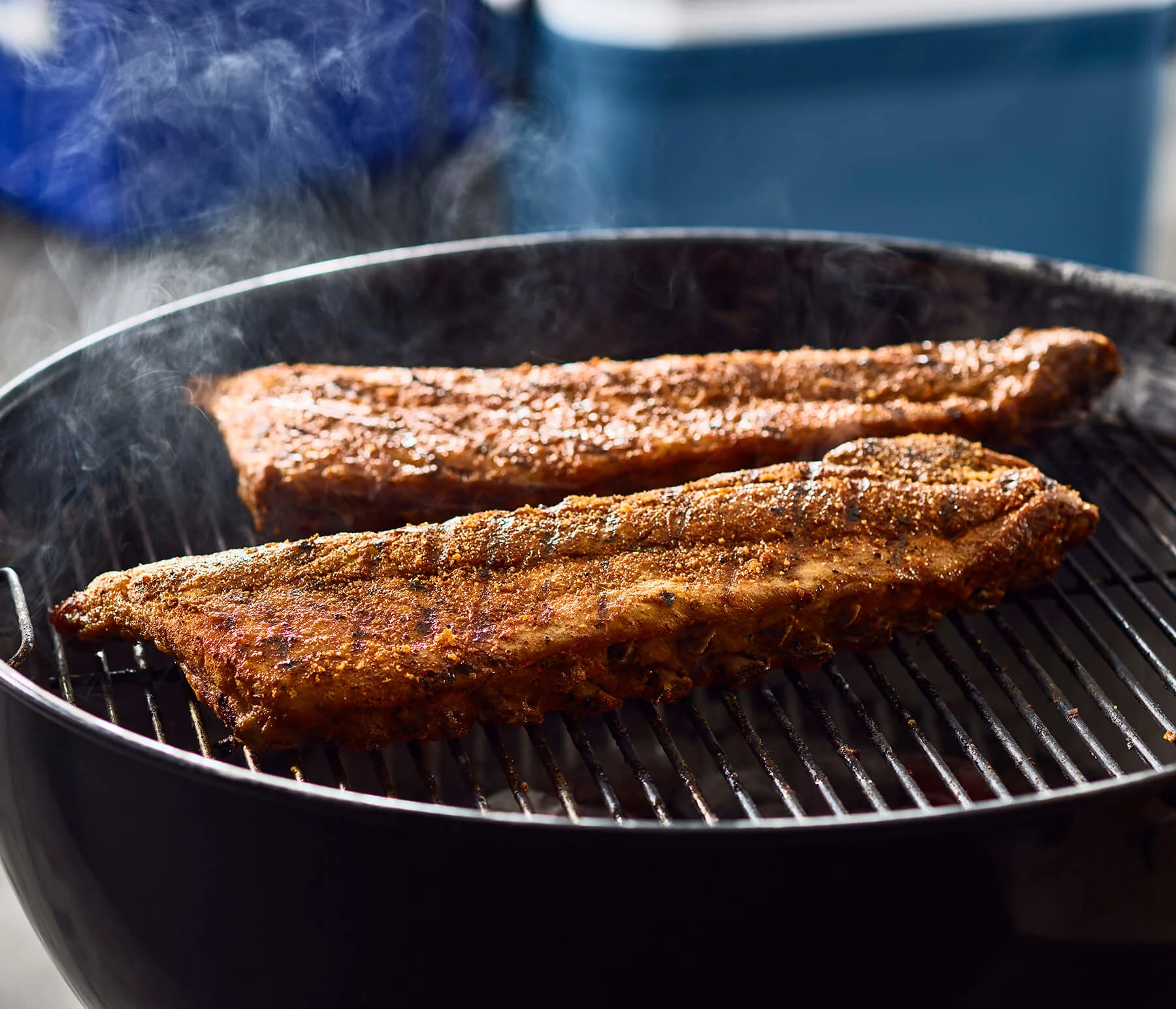
Finally, liberally season the ribs with your favorite beef rub or prepare Mike Mills’ Magic Dust (optional). Feel free to adjust the salt levels to taste.
2Grill Prep
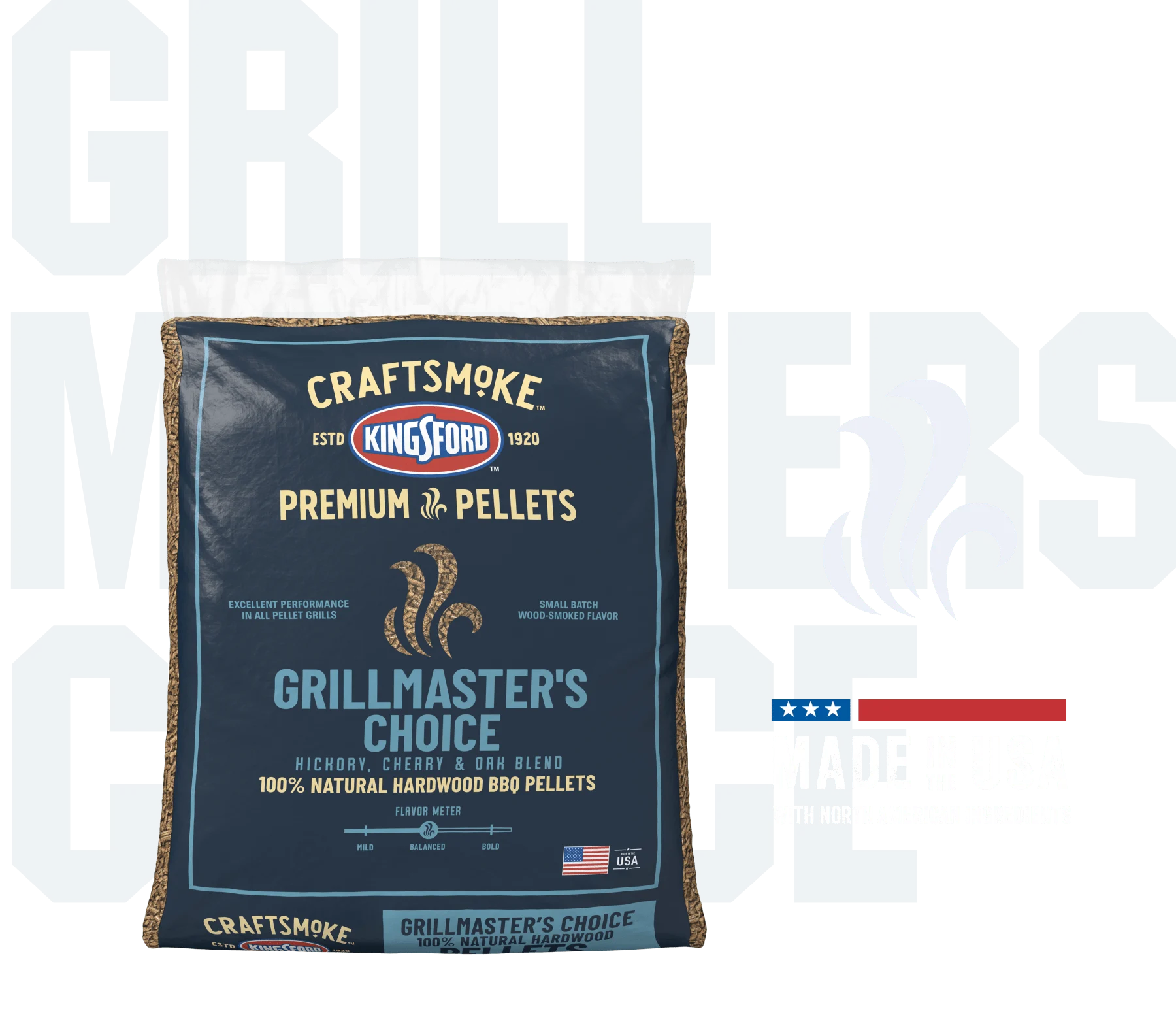
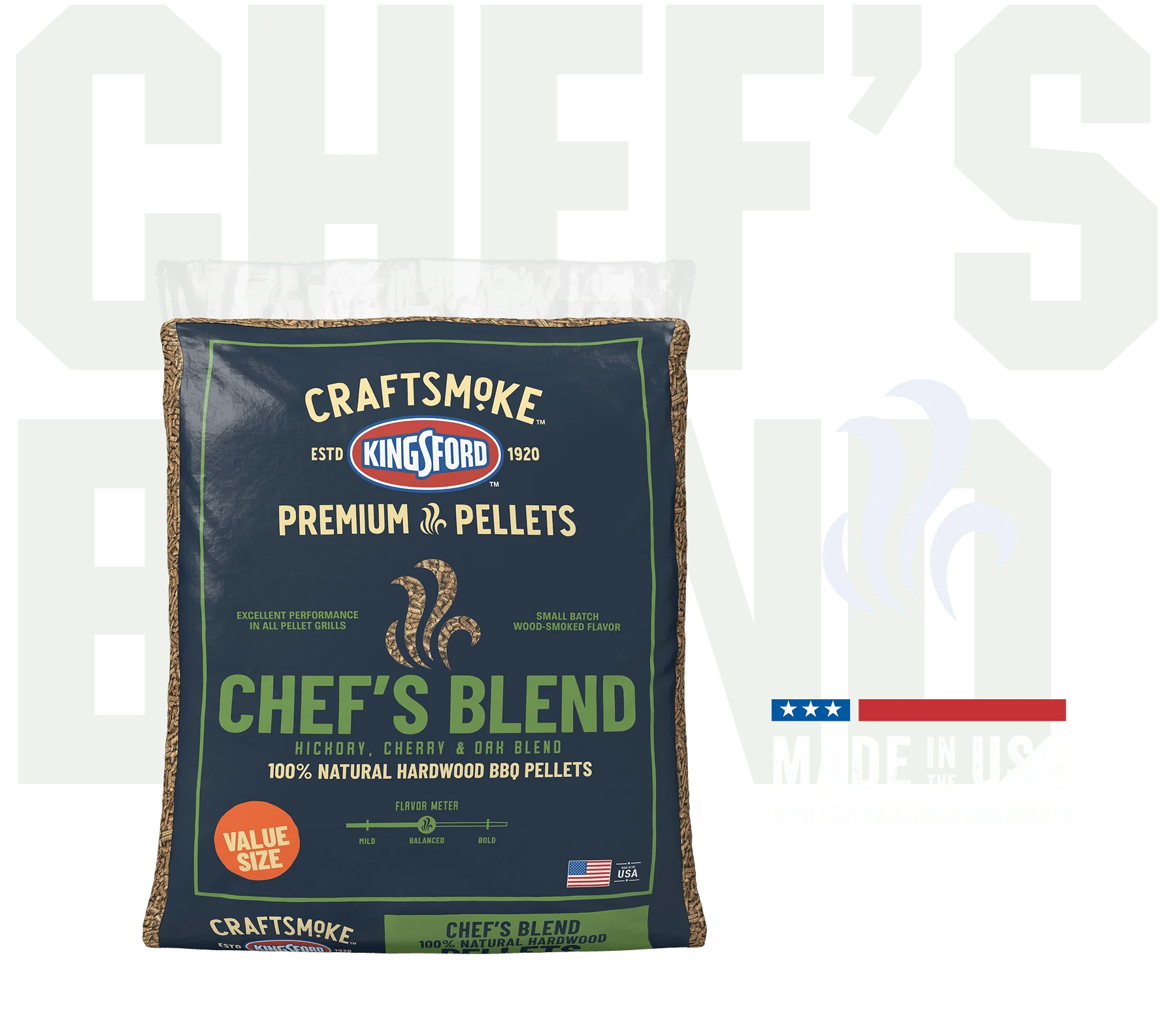
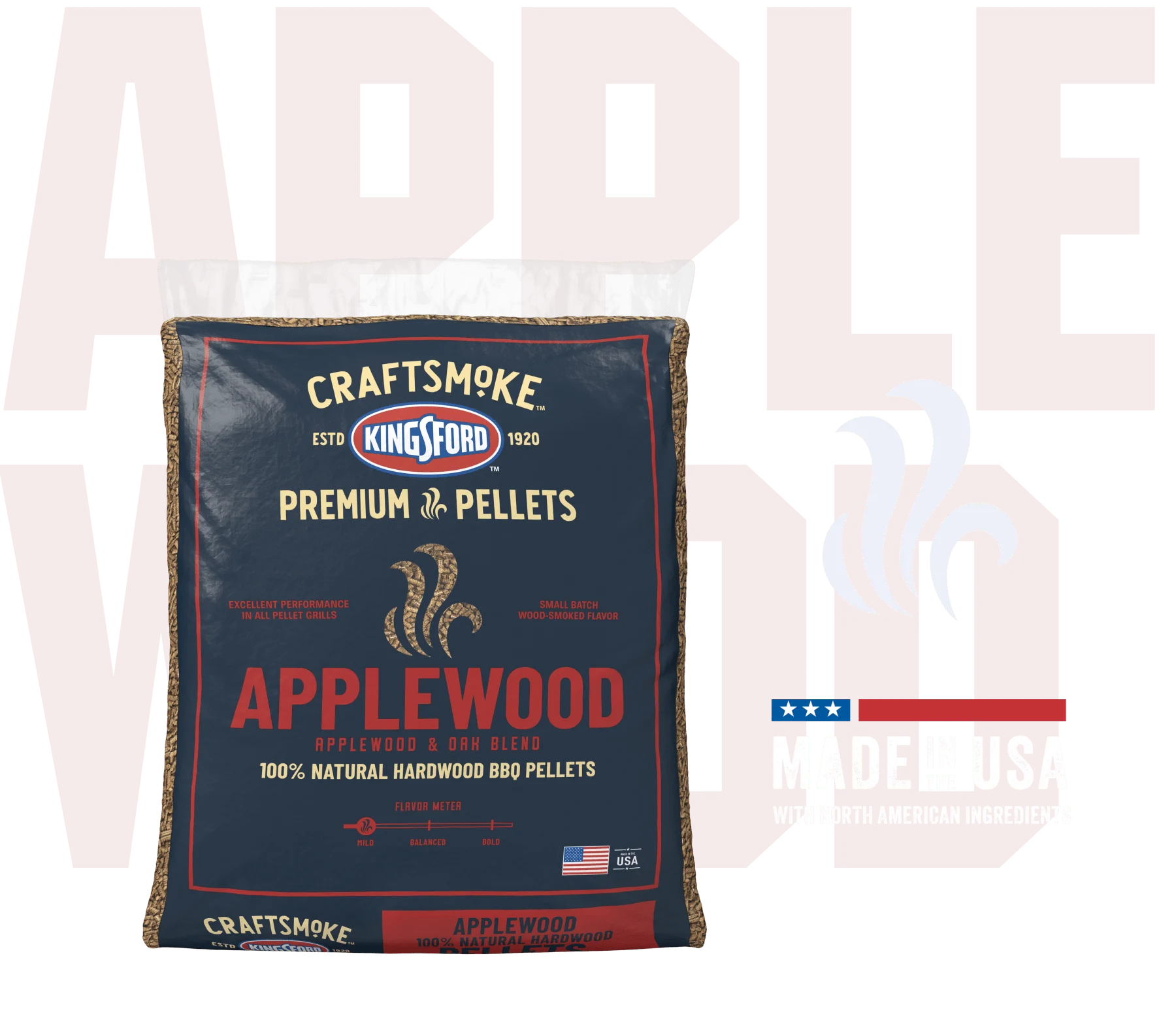
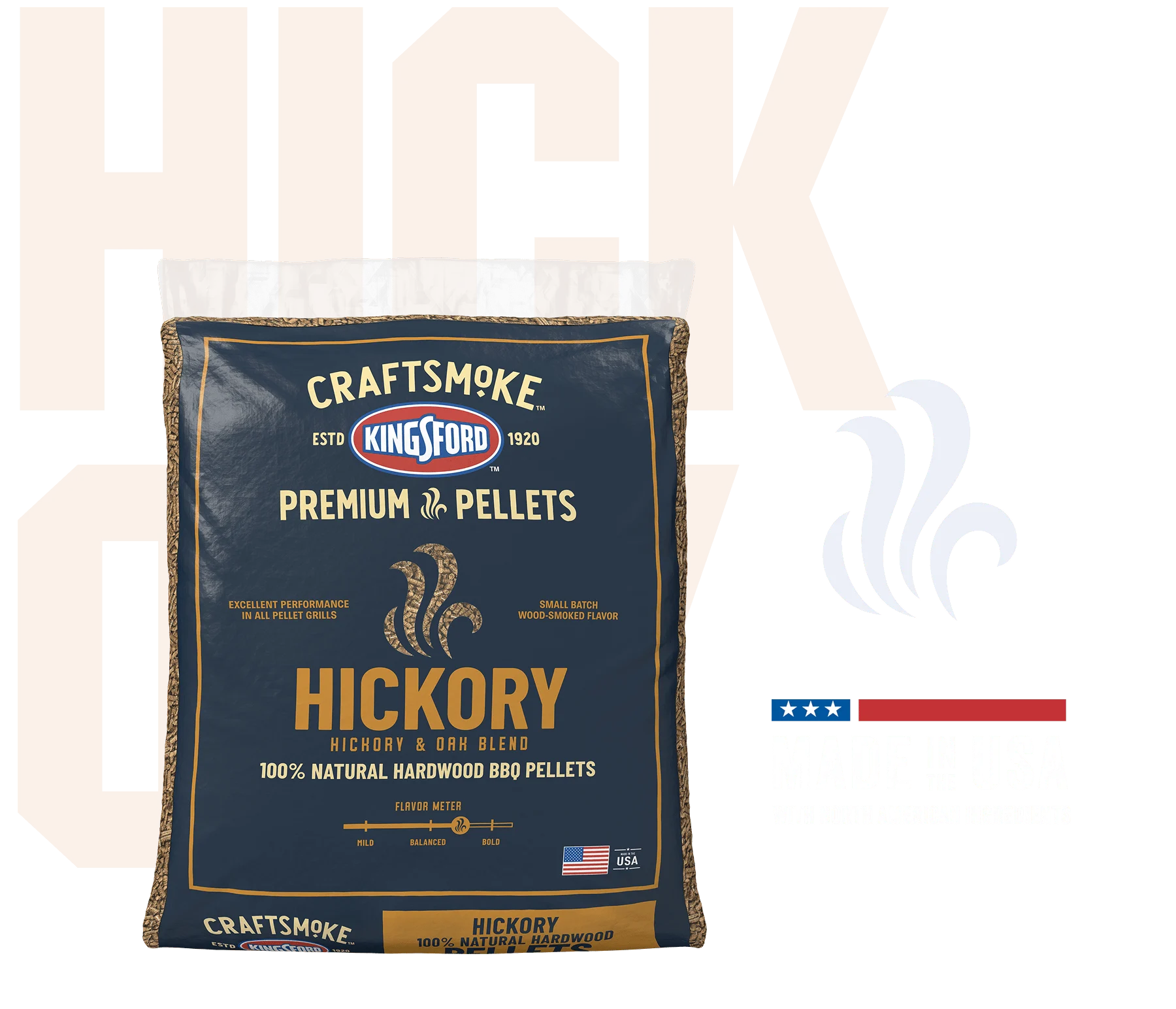
Fuel: We recommend Kingsford™ Hardwood Pellets
Temp: 275°F (Low Heat)
3The Cook
Place the thermometer probe into the thickest part of the ribs without touching any bones and position it at the center of your pellet grill.
After the first 5 hours, you can start to spritz, if you like, with beer, vinegar or water, giving the ribs a spray every 30 to 45 minutes, for the next 3 hours.
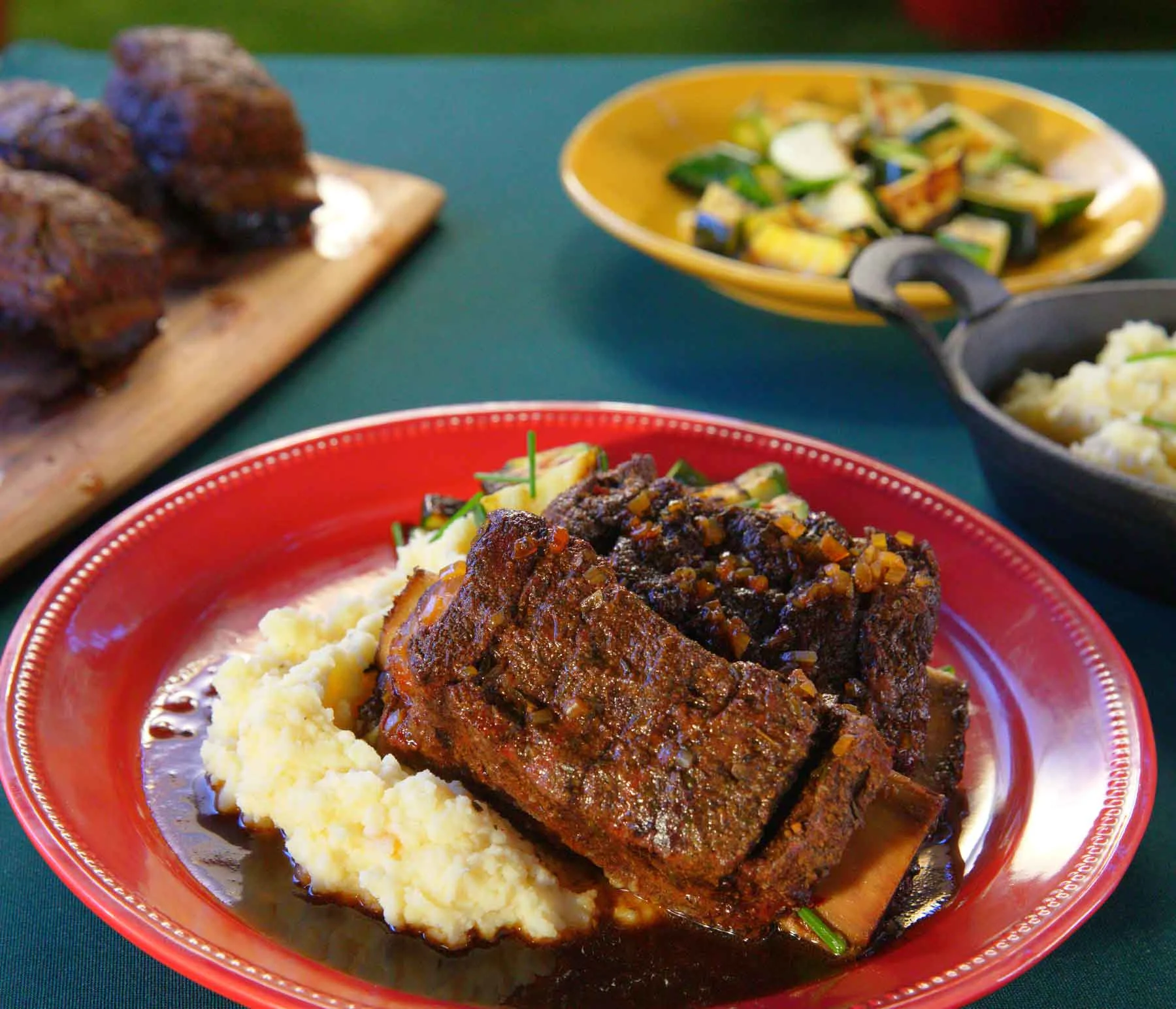
Continue to cook the ribs until they reach an internal temperature of 195°F, and the meat pulls back significantly from the bone.
Remove the ribs from the grill.
If you like chewier ribs, allow the meat to rest for 30 to 45 minutes covered with aluminum foil, then serve.
If you prefer your ribs fall-off-the-bone tender, return them to the smoker, and continue cooking until the meat reaches 203°F to 205°F. You’ll be able to insert a toothpick or skewer like a hot knife through butter.
Allow the meat to rest for 30 to 45 minutes, then serve — no sauce is necessary.
For safe meat preparation, reference the USDA website.


What’s trending in grilling
Sign up for our socials!