





How to Control the Heat When Grilling With Charcoal
What You'll Need
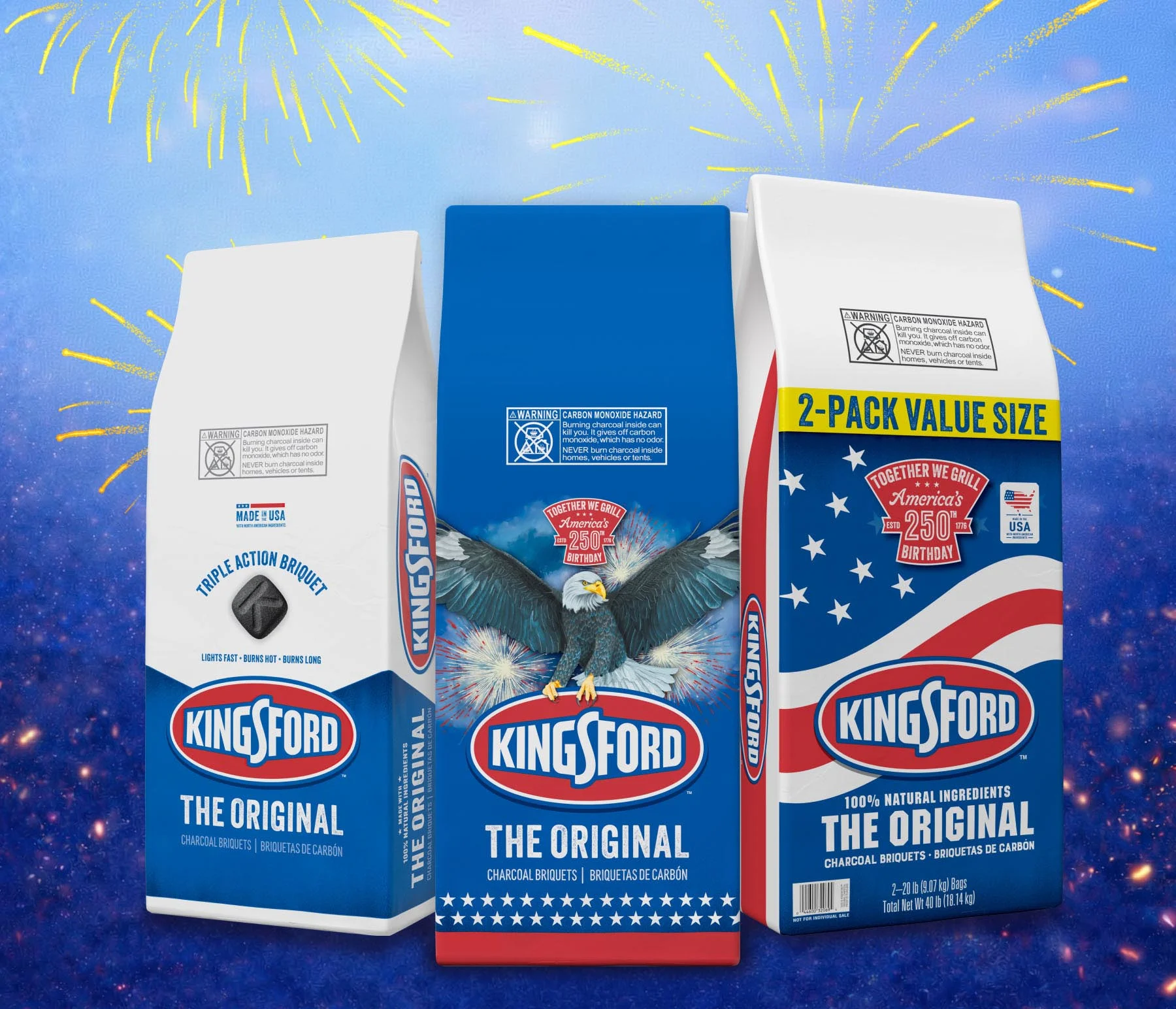
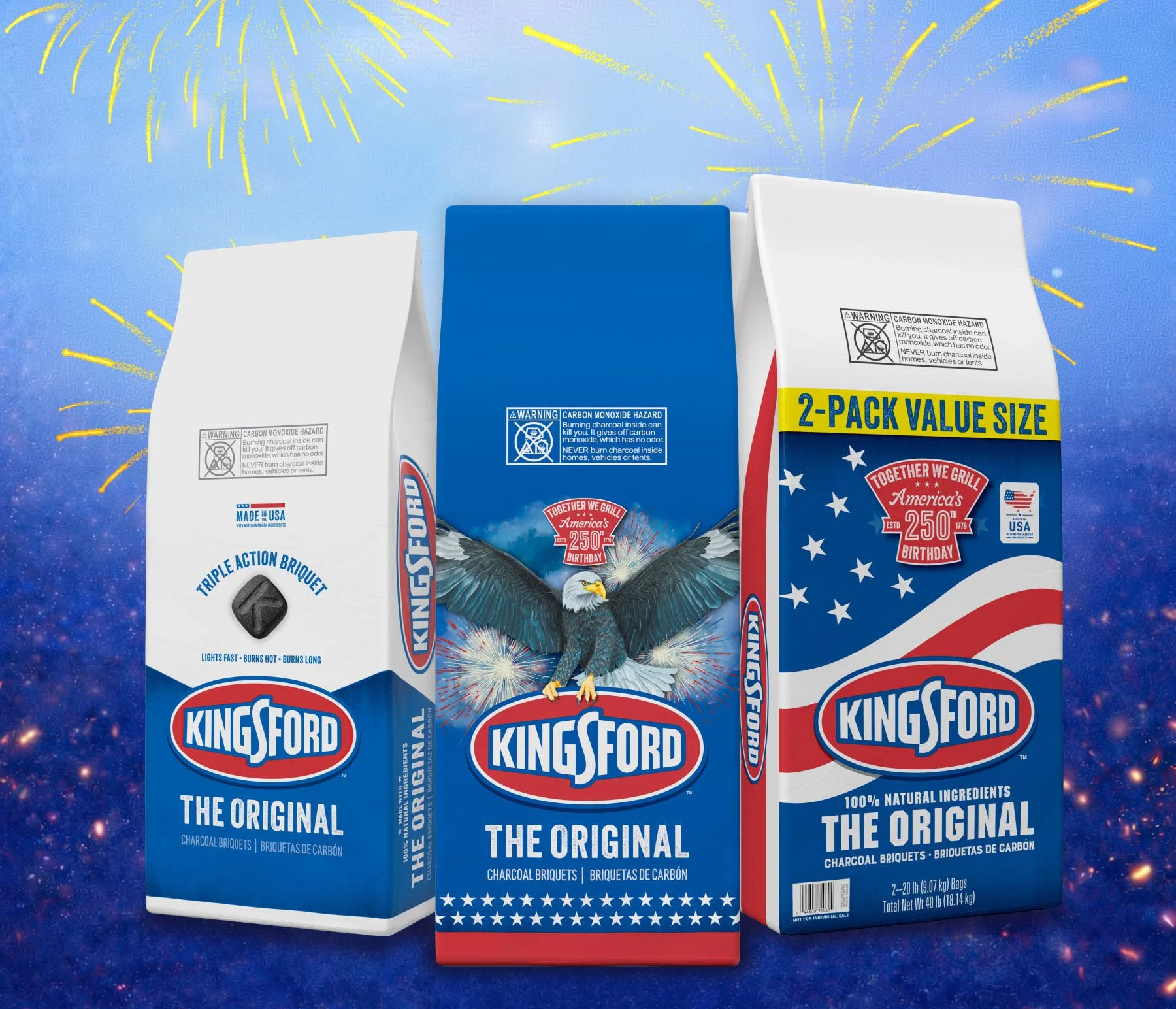
To make temperature control simple and effective, gather everything on the list below before you start. And as always, use Kingsford™ Original Charcoal Briquets for consistent heat and reliable performance.
Charcoal Grill with Adjustable Vents: Essential for managing airflow and controlling heat.
Kingsford™ Original Charcoal Briquets: Trusted for reliable performance and consistent burn time.
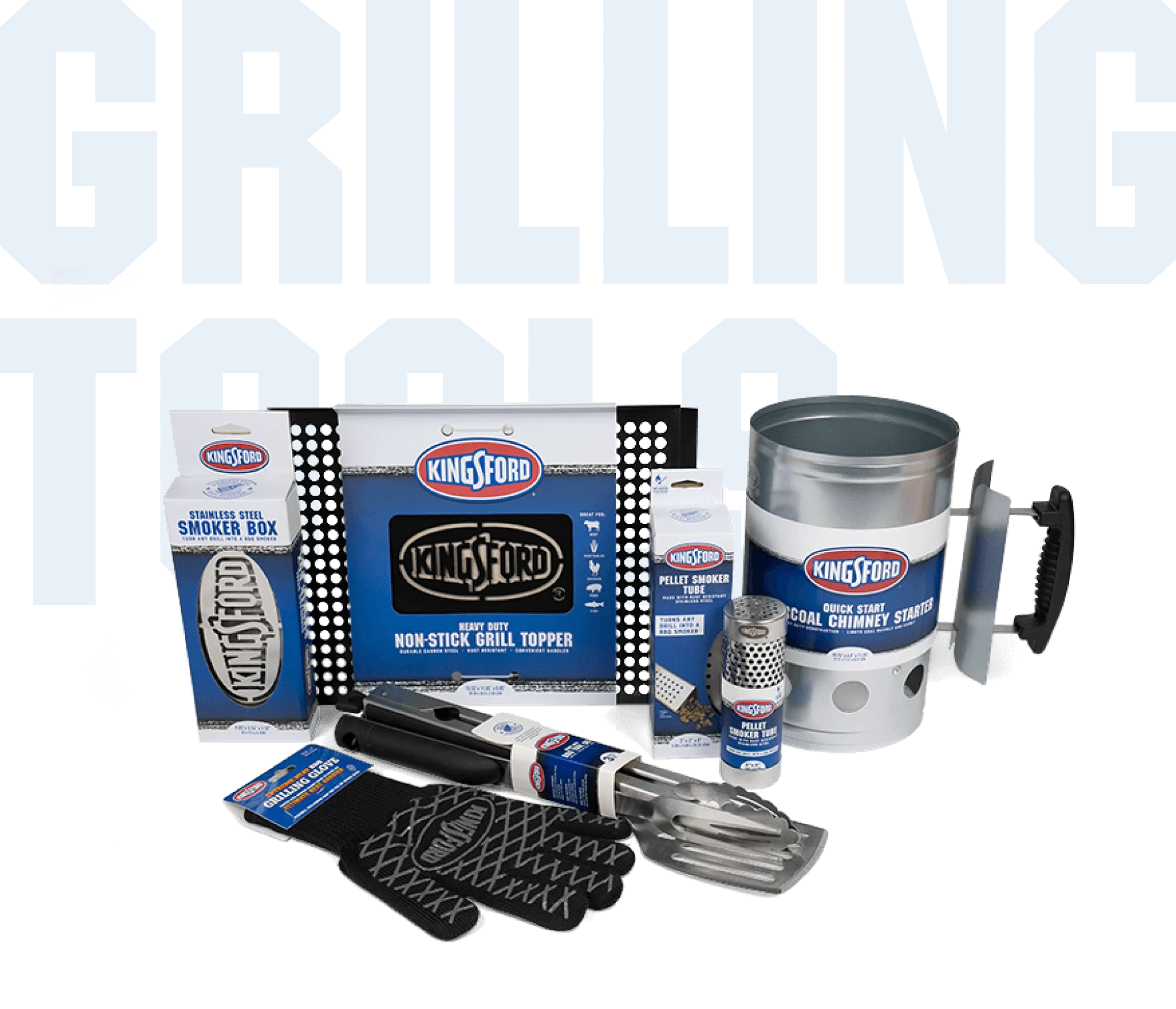
Standard Charcoal Chimney Starter: Perfect for lighting fresh briquets.
Long-Handled Tongs or Metal Spatula: For safely moving food and adjusting coals.
Matches or Lighter: Quick ignition for starting your fire.
Heat-Resistant Gloves: Protect your hands when handling hot grates or adding briquets.
Water (for emergencies only): Use sparingly and only if absolutely necessary to extinguish flare-ups safely.
Enable cookies to see recommended recipes
What You Need to Know About Oxygen
What You Need to Know About Oxygen
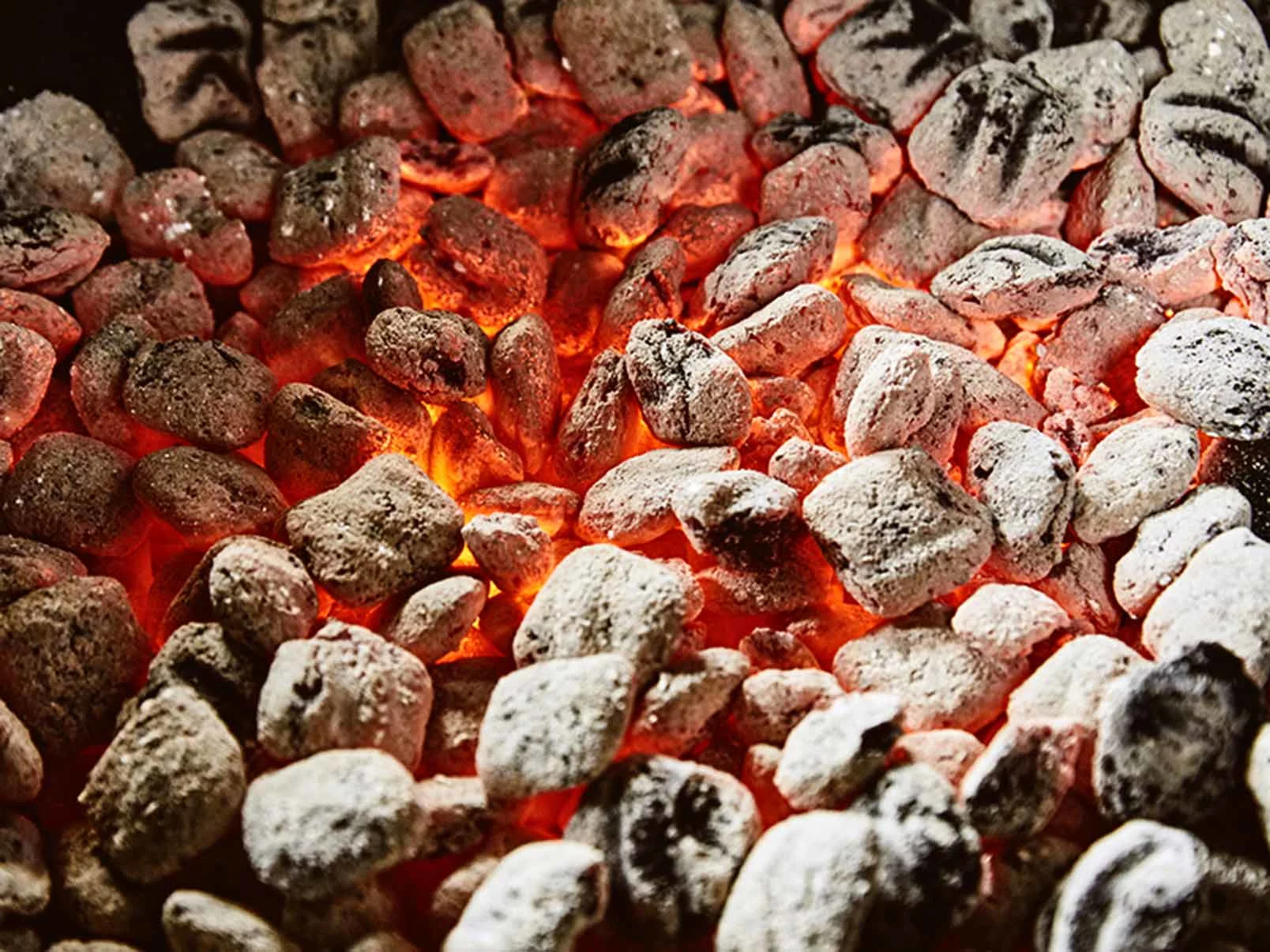
Oxygen fuels your fire. More oxygen helps charcoal burn hotter and faster. Less oxygen slows the burn and lowers cooking temperatures.
Open vents to increase heat. More airflow means hotter coals.
Close vents to reduce heat. Limit oxygen to cool things down.
Pro Tip: Always leave vents partially open so the fire doesn’t suffocate completely.

How to Keep Your Charcoal Grill Hot
How to Keep Your Charcoal Grill Hot
For high-heat grilling, open the vents wide to allow maximum airflow. This keeps your coals burning hotter and is ideal for searing meats or quick cooks.
How to Cool a Charcoal Grill Down
How to Cool a Charcoal Grill Down
To slow cooking or lower the temperature:
Partially close the vents to restrict airflow.
Don't close vents completely — this can extinguish the fire.
How to Manage Flare-Ups
How to Manage Flare-Ups
Flare-ups happen when fat drips onto hot coals. Avoid using water, as it creates ash and can cause a fire hazard. Instead:
Create a two-zone fire: one side with coals, the other empty.
Move food to the cooler side when flare ups occur until the flames subside.
Use long-handled tongs or a spatula for safe handling.

How to Increase Heat on a Grill
How to Increase Heat on a Grill
Need more heat mid-cook?
Add unlit Kingsford™ Original Charcoal Briquets on top of lit coals. In about 15 minutes, these coals will be ready, providing that extra heat.
Or light a chimney with fresh coals and add them when ready.
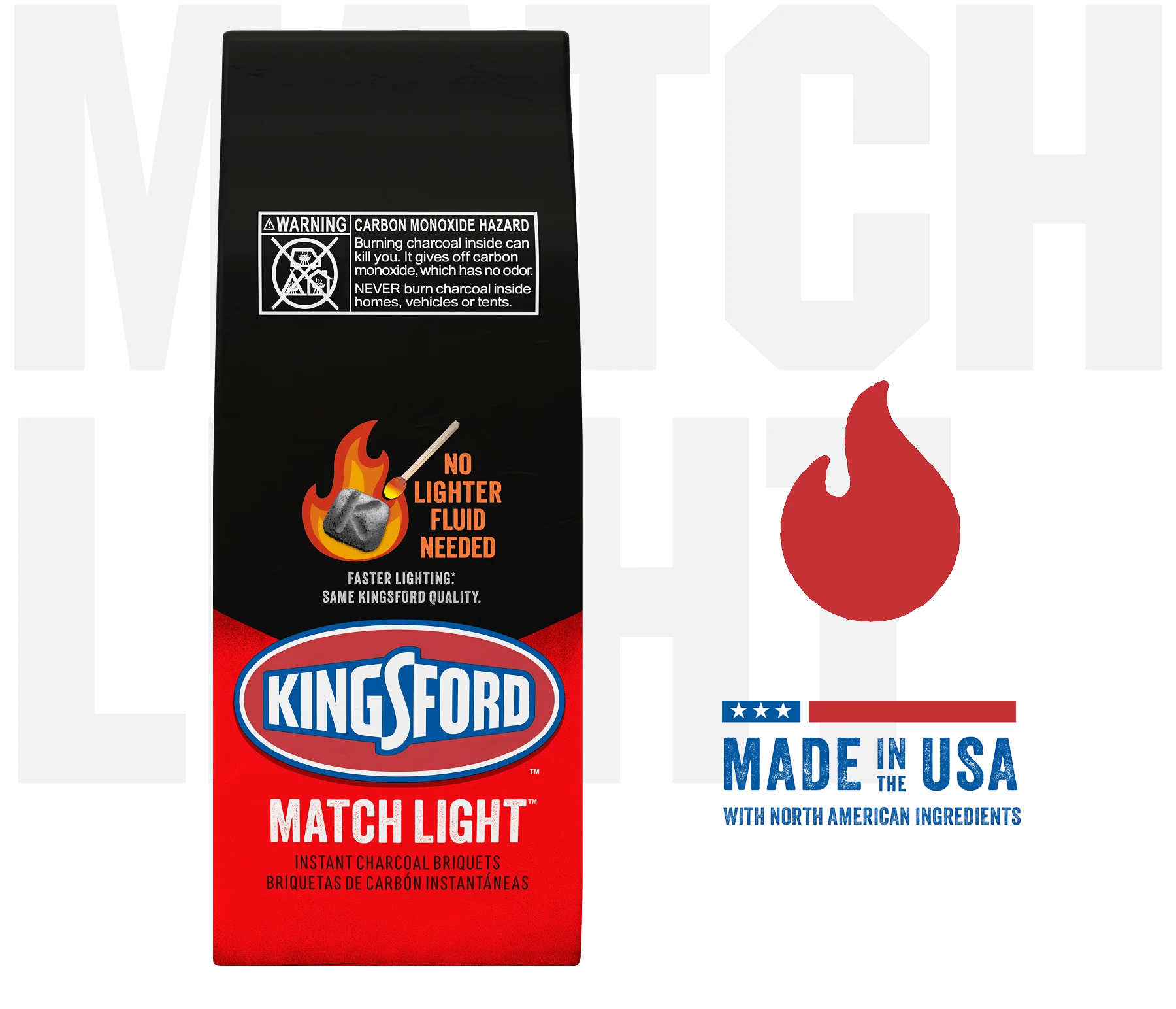
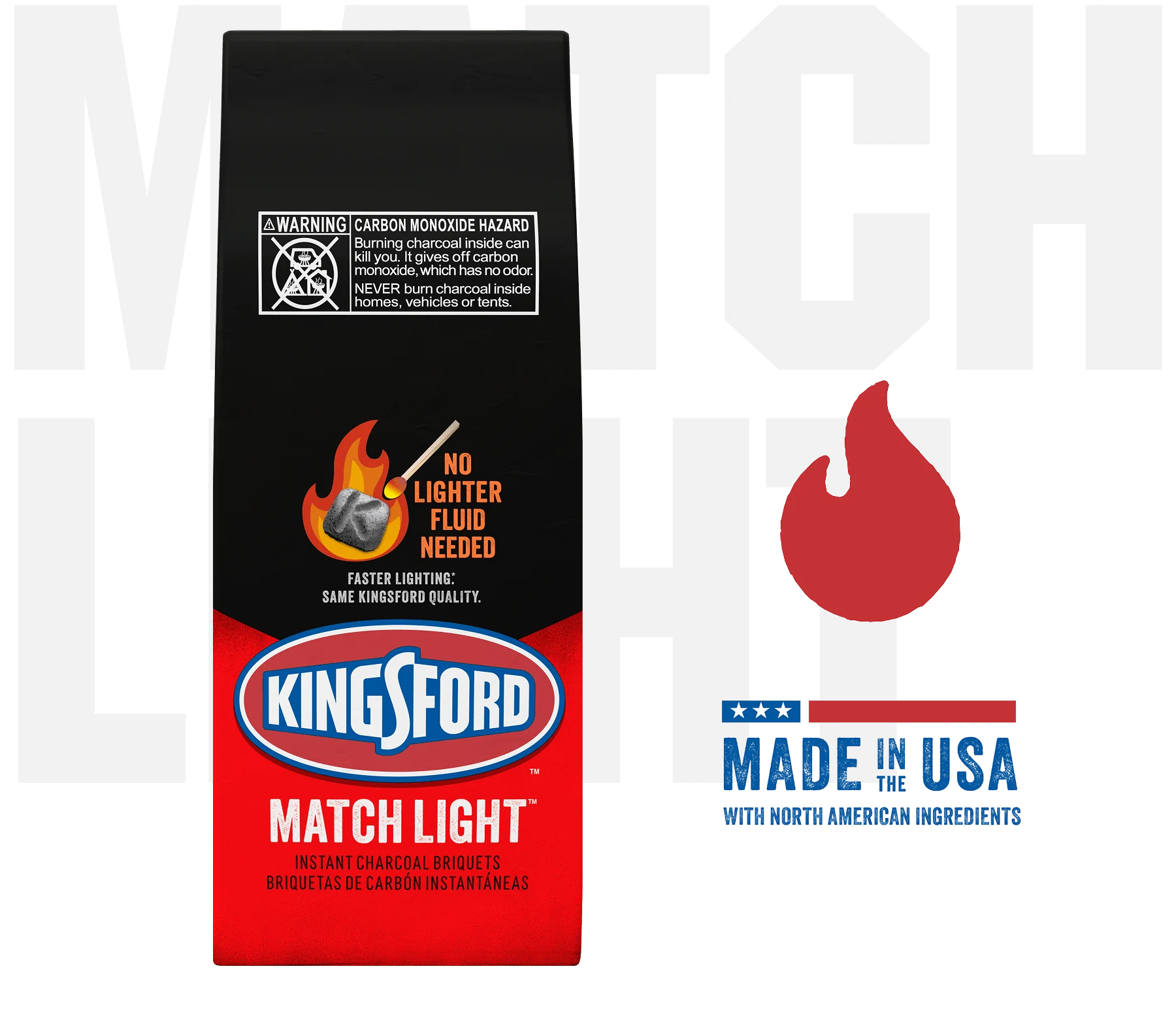
Important: Never add Match Light™ Charcoal to already lit coals, instead use Kingsford™ Original Charcoal. Match Light™ Charcoal should never be used in a chimney.
Related How-To Guides
Frequently Asked Questions
To maintain high heat, keep the vents fully open and add fresh briquets as needed. This ensures a steady oxygen flow and a high temperature. If you’re planning a long cook, start with a full bed of Kingsford™ Original charcoal and have extra briquets ready to add during grilling.
Flare-ups are common when fat drips onto hot coals, but don’t panic. Move food to a coal-free zone and wait for flames to die down naturally. Avoid using water, as it can create ash and cause uneven cooking. A two-zone fire setup is the best way to manage flare-ups safely.
Yes. Your grill’s vents are the easiest way to control temperature without adding fuel. Opening vents increases airflow and heat, while closing them partially reduces oxygen and cools the coals. This method is perfect for fine-tuning temperature during longer cooks.




KINGSFORD™ CHARCOAL
Our charcoal has been proudly made in the USA since 1920. Available in a variety of flavors to give you a delicious, smoky taste for any occasion.