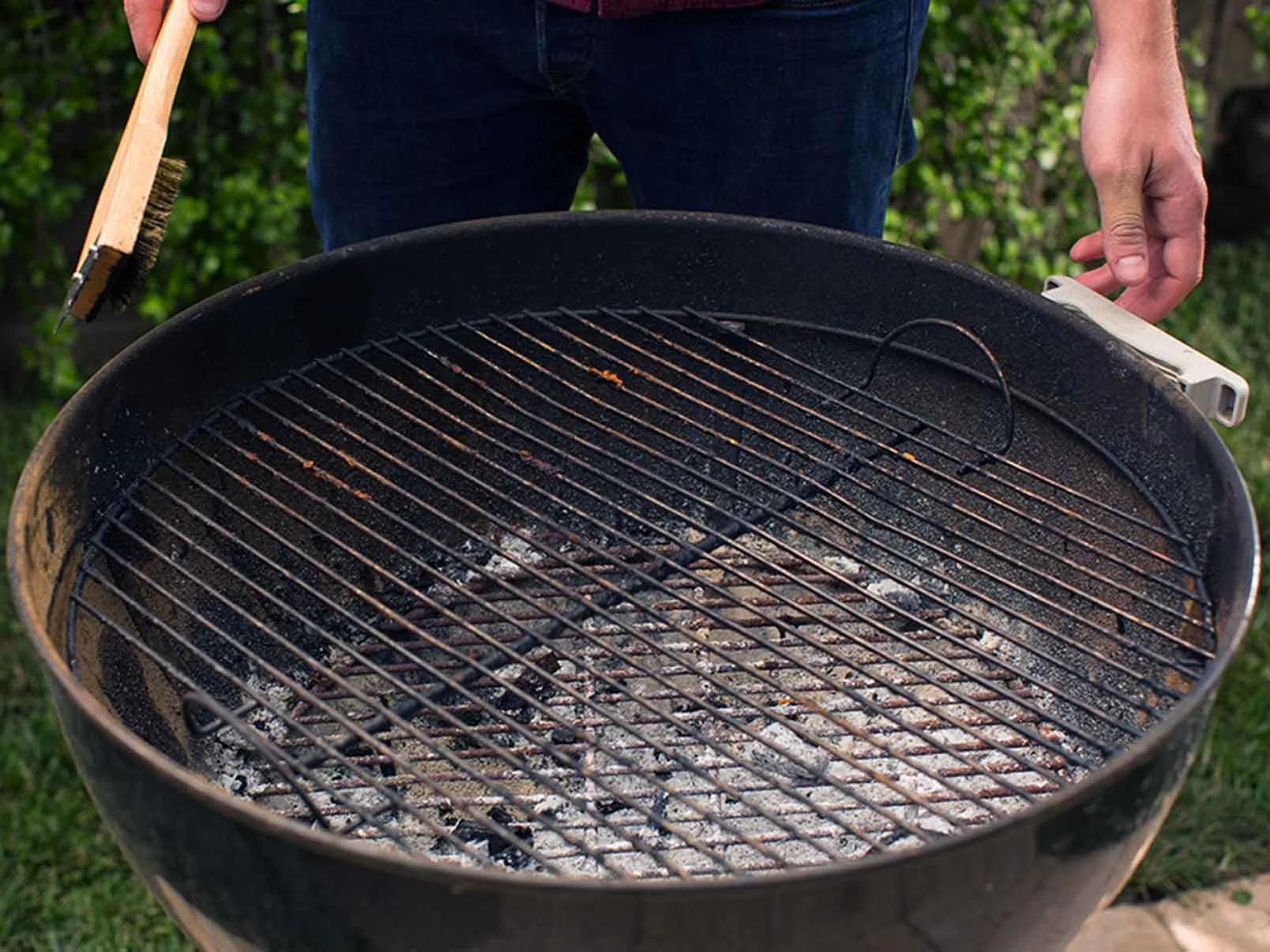
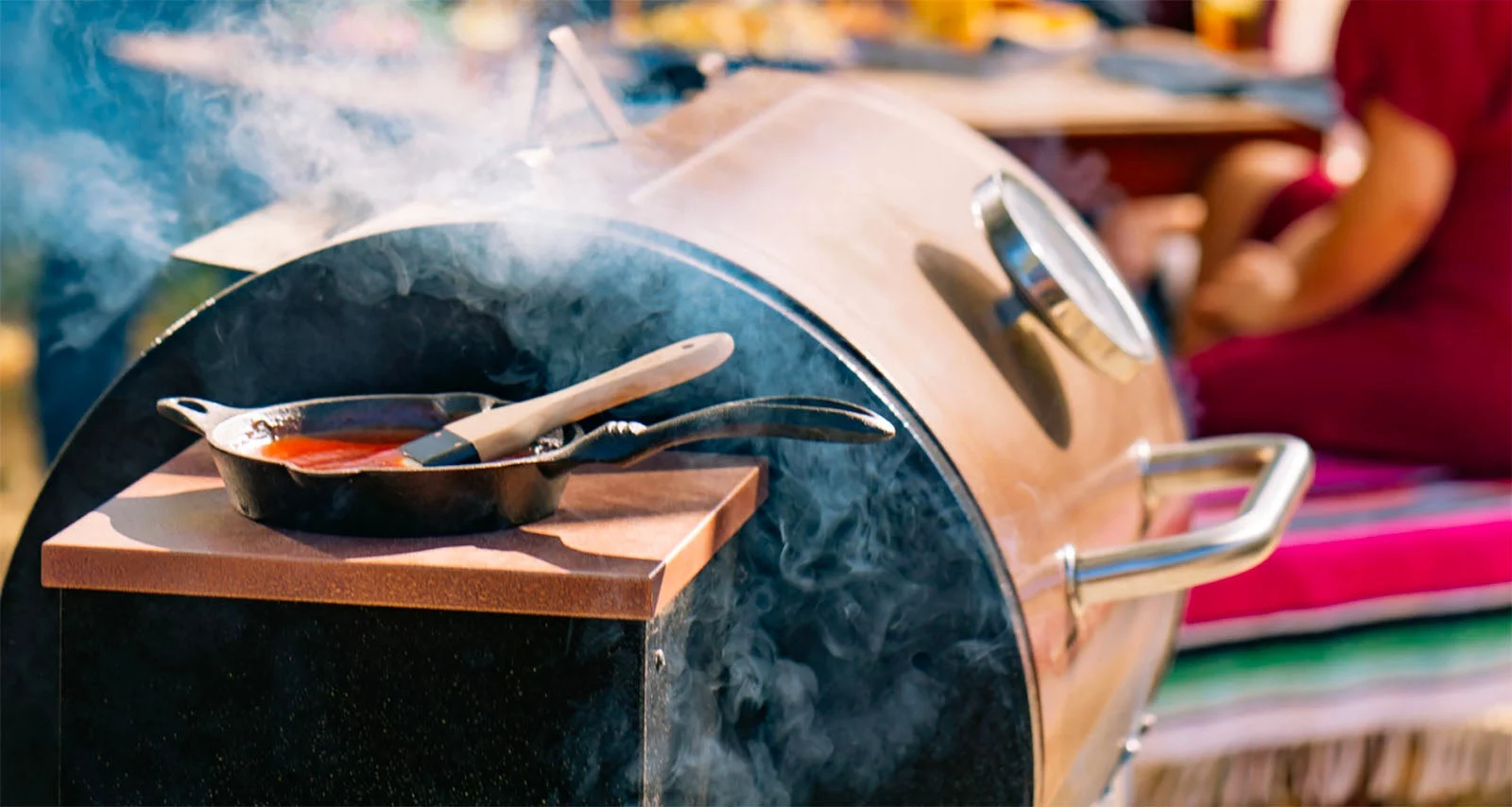









Place your grill on a flat, level surface so it won't tip over. Keep it away from overhangs, fences, deck railings and shrubbery that could be ignited by a sudden flare-up or flying spark.
Position the grill in a well-ventilated location. Never barbecue indoors as toxic, odorless fumes (carbon monoxide) can build up.
Keep children and pets away from the grill when it's in use.
Handle Charcoal Carefully
Never add lighter fluid directly to hot coals to get a sluggish fire going again. The flame could travel up the stream of fluid and burn you.
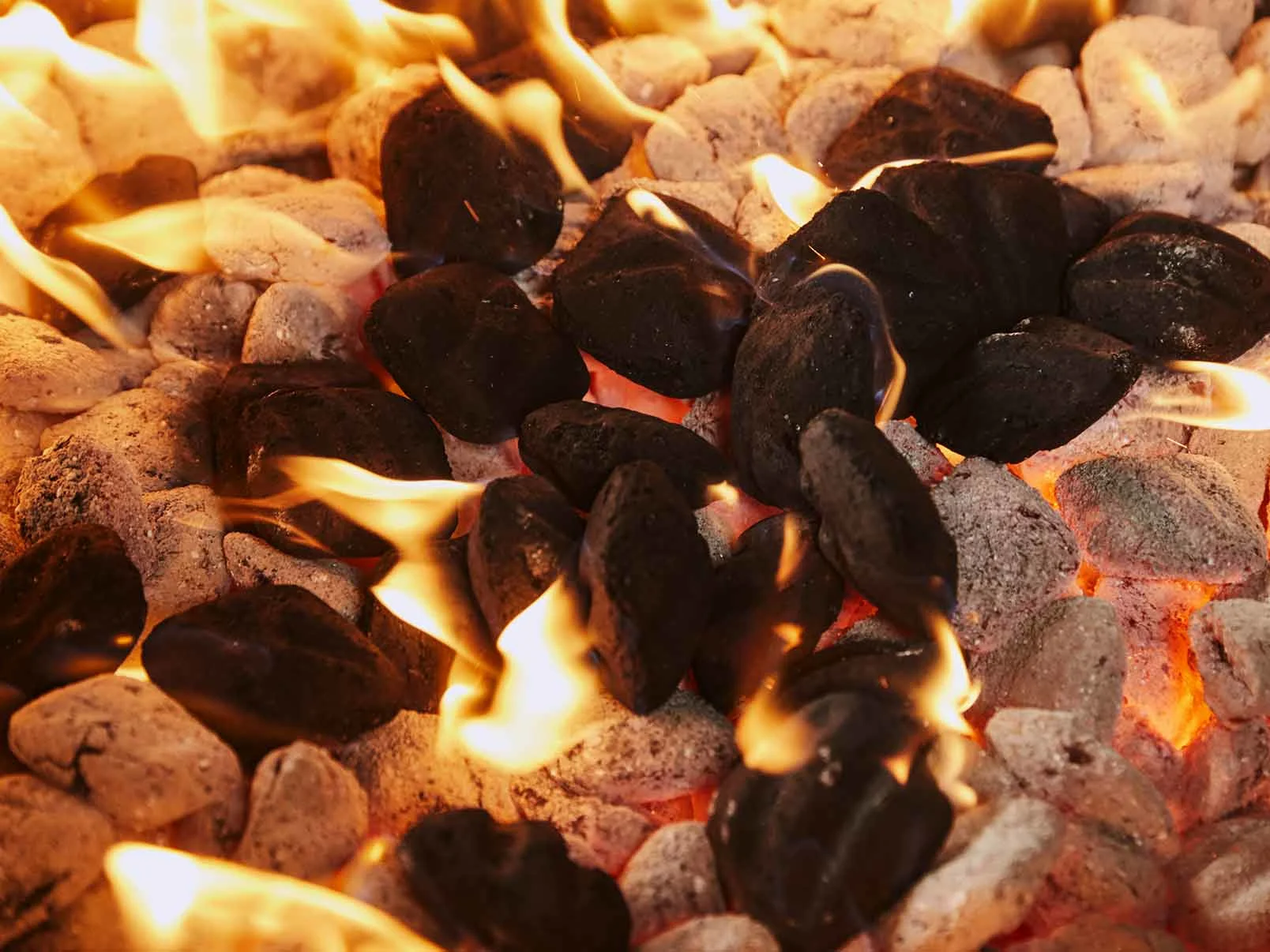
If coals are slow to start, place several new briquets in a small metal can and apply lighter fluid. Add these briquets, using a pair of long-handled tongs, to warm coals and light with a match.
Never use gasoline or kerosene to light a charcoal fire. Both can cause an explosion.
Do not close the lid until you are ready to cook. Doing so might put out the fire or cause a rush of flame when the lid is removed. Closing the lid prematurely also can prevent charcoal lighter fluid from completely burning away, giving foods a strange taste.
Coals are HOT—
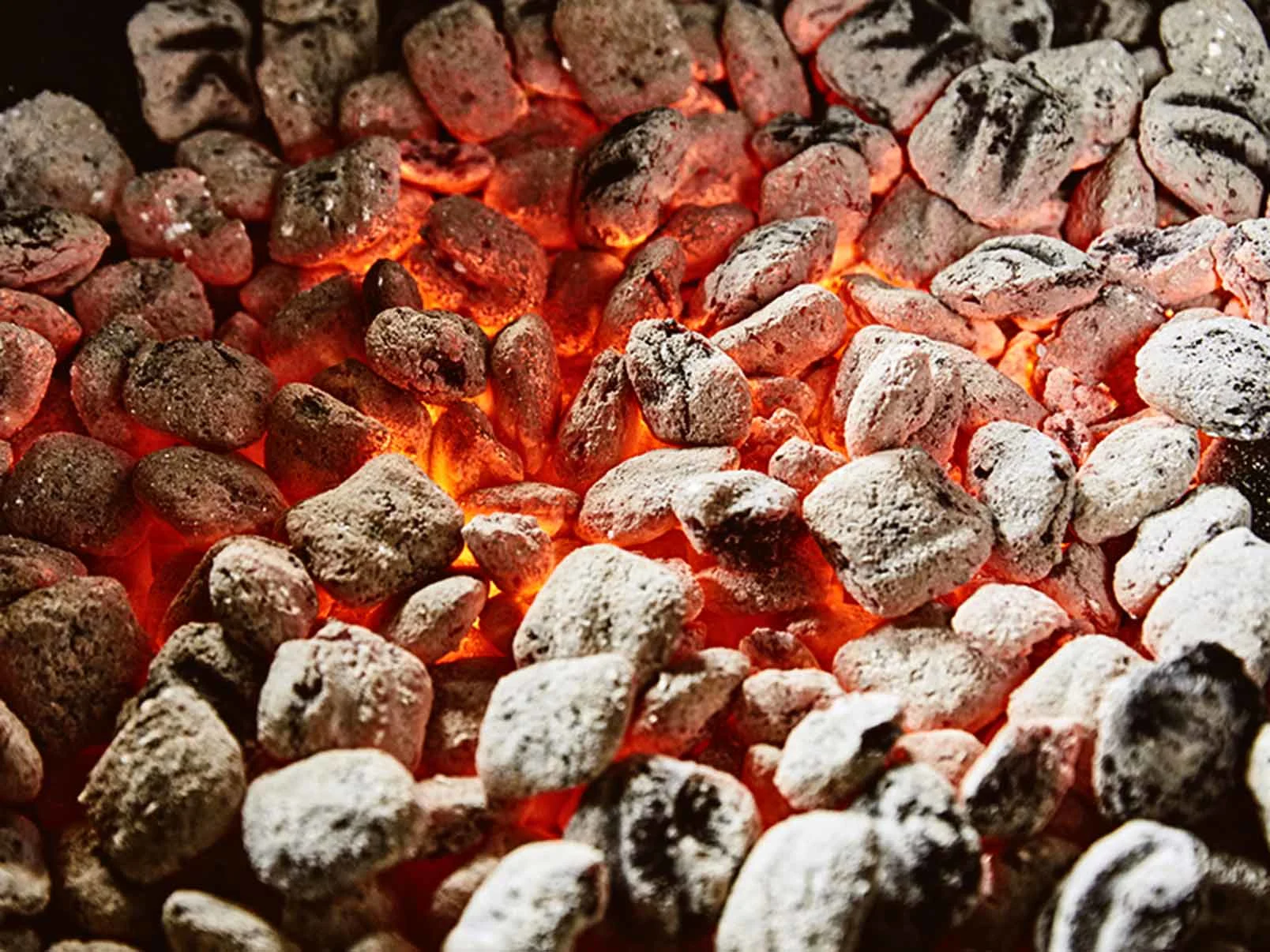
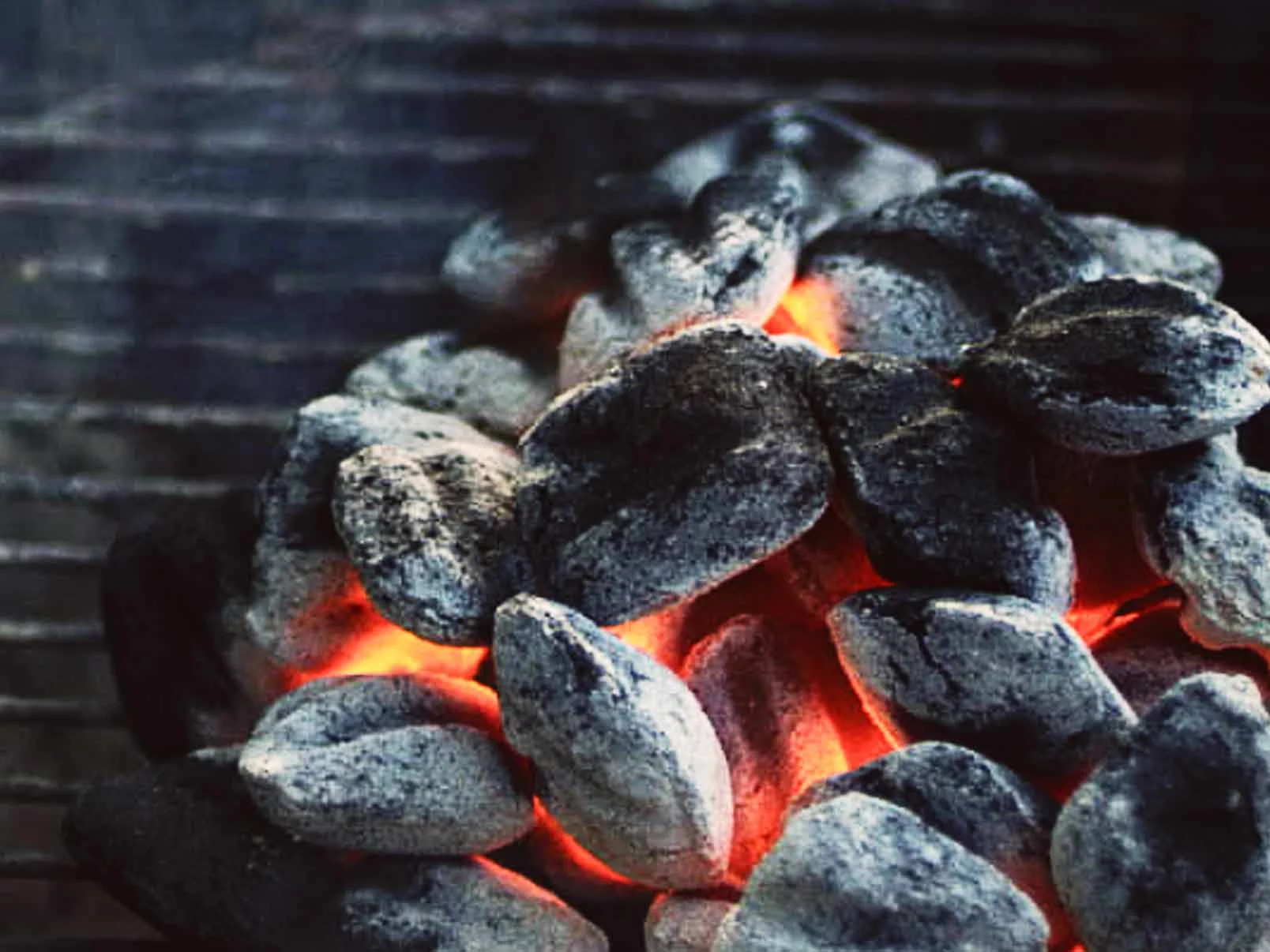
they can reach up to 1000°F. Use insulated, flame-retardant mitts when cooking or handling any part of the grill. Also, use long-handled barbecue tongs and utensils for safe handling of food and coals.
Putting Out the Fire
Place the cover on the grill, close the vents and allow the coals to burn out completely. Let the ashes cool for at least 48 hours and then dispose of them in a non-combustible container.
If you must dispose of coals before they've completely cooled, remove them individually with long-handled tongs and carefully bury them in a can of sand or in a bucket of water. Never pour the hot coals into a pail of water, or vice versa. Steam from the briquets may burn you.
Storing Coals
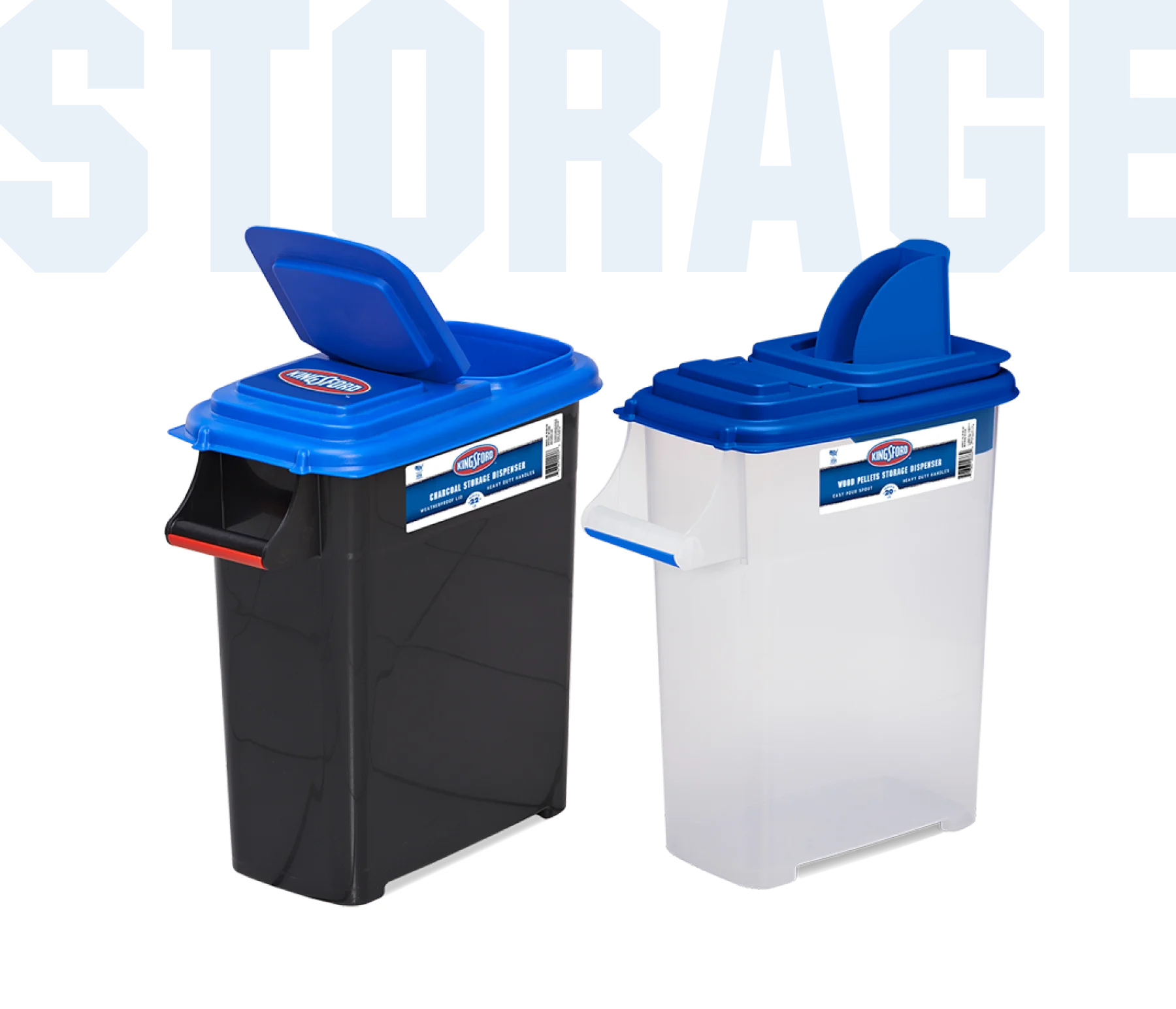
Store briquets in a cool, dry area of the basement or garage. When charcoal absorbs moisture, it can be hard to light.
For instant-lighting charcoal, keep bag tightly closed to prevent lighter fluid from evaporating.